Updated September 11, 2026
Fall arrives differently in Plymouth. The harbor air becomes cooler, cranberry bogs turn deep red, and the region begins its annual transition from summer tourism to harvest celebrations and Thanksgiving traditions.
For local residents, it is a familiar change of season. For visitors, it is an opportunity to experience New England beyond the usual pictures of bright foliage and pumpkin displays.
2026 Fall Dates to Know
- Cranberry harvest season: Mid-September through early November. Timing is weather dependent.
- King Richard’s Faire: Weekends and selected holidays, September 5–October 25, 2026.
- America’s Hometown Thanksgiving Celebration: November 20–22, 2026.
- The Story of Thanksgiving Dinner: November 25, 2026, with multiple seatings.
Schedules can change. Confirm times, ticket availability and weather policies with each organizer before traveling.
See the cranberry harvest
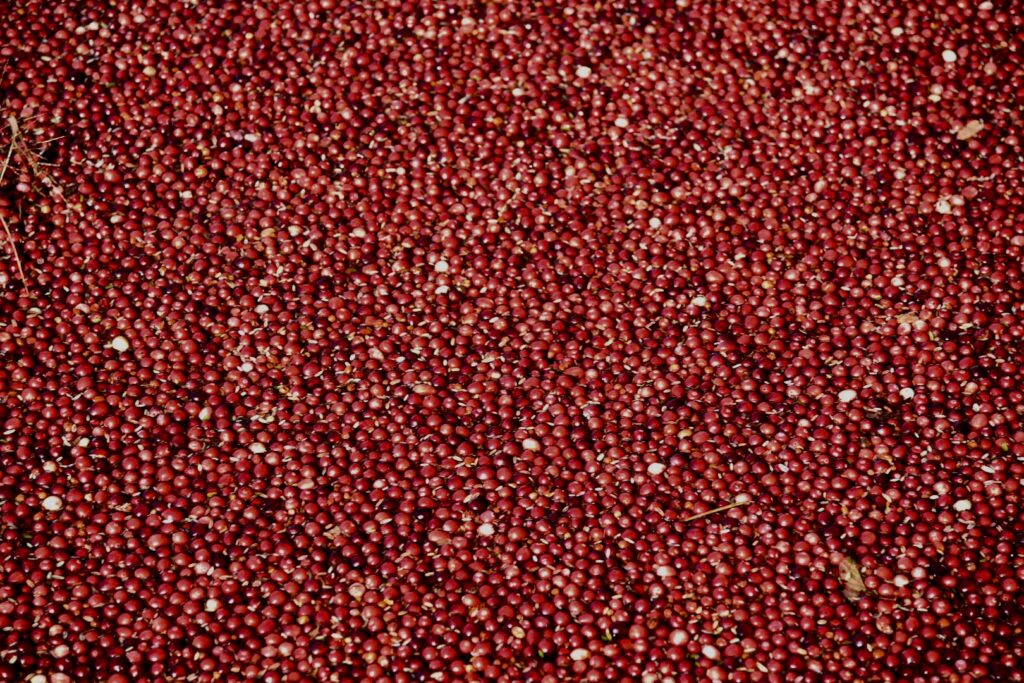
A Plymouth-area cranberry bog during harvest season.
Cranberries are one of the strongest symbols of fall in southeastern Massachusetts. The harvest generally runs from mid-September through early November, although timing depends on weather and growing conditions.
During a wet harvest, flooded bogs appear covered with floating red berries—one of the most distinctive fall sights in Plymouth County. Some local growers offer scheduled tours, farm stands and opportunities to learn how cranberries are cultivated.
The Cape Cod Cranberry Growers’ Association maintains information about participating farms and harvest experiences. Visitors should always confirm before traveling because working bogs are private agricultural properties and harvest schedules can change.
Walk beneath the changing leaves
Plymouth’s foliage usually becomes more colorful as September gives way to October. Myles Standish State Forest is one of the area’s best-known destinations for a fall walk, bicycle ride or scenic drive. Its pine forests, ponds and hardwood trees offer a quieter contrast to the waterfront.
Closer to downtown, visitors can combine a walk along Plymouth Harbor with Burial Hill, Brewster Gardens and the historic streets surrounding Town Square.
The wider South Shore provides additional options. World’s End in Hingham offers carriage paths, hills and views of the Boston skyline, while Wompatuck State Park and Norris Reservation in Norwell provide woodland trails for different ability levels.
Foliage timing varies each year, so flexibility is helpful. Cool mornings, comfortable shoes and an extra layer can make a fall outing much more enjoyable.
Visit a farm, orchard or seasonal market
Apple picking, pumpkins, cider doughnuts and farm stands remain some of New England’s most familiar autumn traditions. Farms throughout Plymouth County and the South Shore offer opportunities for families to pick produce, explore corn mazes or shop for locally grown food.
Not every attraction operates daily, and some require advance reservations. Check each farm’s official schedule before leaving home, particularly on busy October weekends. Supporting a farm stand or farmers market also keeps more seasonal spending within the local community.
Experience history during the harvest season
Fall is an important time at Plimoth Patuxet Museums. Its programs explore the lives and histories of both the Indigenous people of this region and the English colonists who arrived in the 17th century.
Seasonal dining programs connect food, harvest and history, but visitors should approach Plymouth’s Thanksgiving story with care. The region’s history is broader and more complicated than the traditional schoolbook account.
A thoughtful visit should make room for Wampanoag history, living culture and perspectives as well as the story of the English settlement. Current programs and Thanksgiving dining information are available through Plimoth Patuxet Museums.
Spend a day at King Richard’s Faire
One of the area’s most recognizable fall attractions is King Richard’s Faire in Carver. The wooded festival grounds are transformed into a Renaissance-style village with performers, costumes, crafts, food and entertainment.
The 2026 season runs on weekends and selected holidays from September 5 through October 25. It is a ticketed attraction and can become crowded, so purchasing tickets in advance and reviewing parking and accessibility information is advisable.
Carver is close enough to combine the Faire with an overnight stay, meal or waterfront visit in Plymouth.
Enjoy Plymouth’s Thanksgiving season
Plymouth’s fall calendar builds toward America’s Hometown Thanksgiving Celebration. The annual weekend traditionally includes a historical parade, concerts, waterfront activities, a marketplace and family programming.
The parade differs from many holiday parades because it presents periods of American history in chronological order. The celebration attracts large crowds, making early arrival and advance parking plans important. The official program is available from America’s Hometown Thanksgiving Celebration.
Thanksgiving Day also brings the National Day of Mourning to Cole’s Hill. Organized by United American Indians of New England, the observance challenges popular Thanksgiving narratives and honors Indigenous ancestors and continuing Native struggles. It is an important part of understanding how different communities experience Plymouth’s history.
Make fall a local experience
A memorable fall day does not need an elaborate itinerary. It might begin with coffee downtown, continue with a harbor walk or cranberry-bog tour, and end with dinner at a locally owned restaurant.
Visitors can use Plymouth as a base for exploring Carver, Kingston, Duxbury, Marshfield, Norwell, Hingham and other South Shore communities. Residents can experience the season by revisiting familiar places at a quieter time of year.
Fall in this region is more than foliage. It is a season shaped by agriculture, coastal scenery, local businesses, community gatherings and history. Exploring it thoughtfully—and confirming current details before traveling—helps both residents and visitors appreciate what makes Plymouth and the South Shore distinctive.